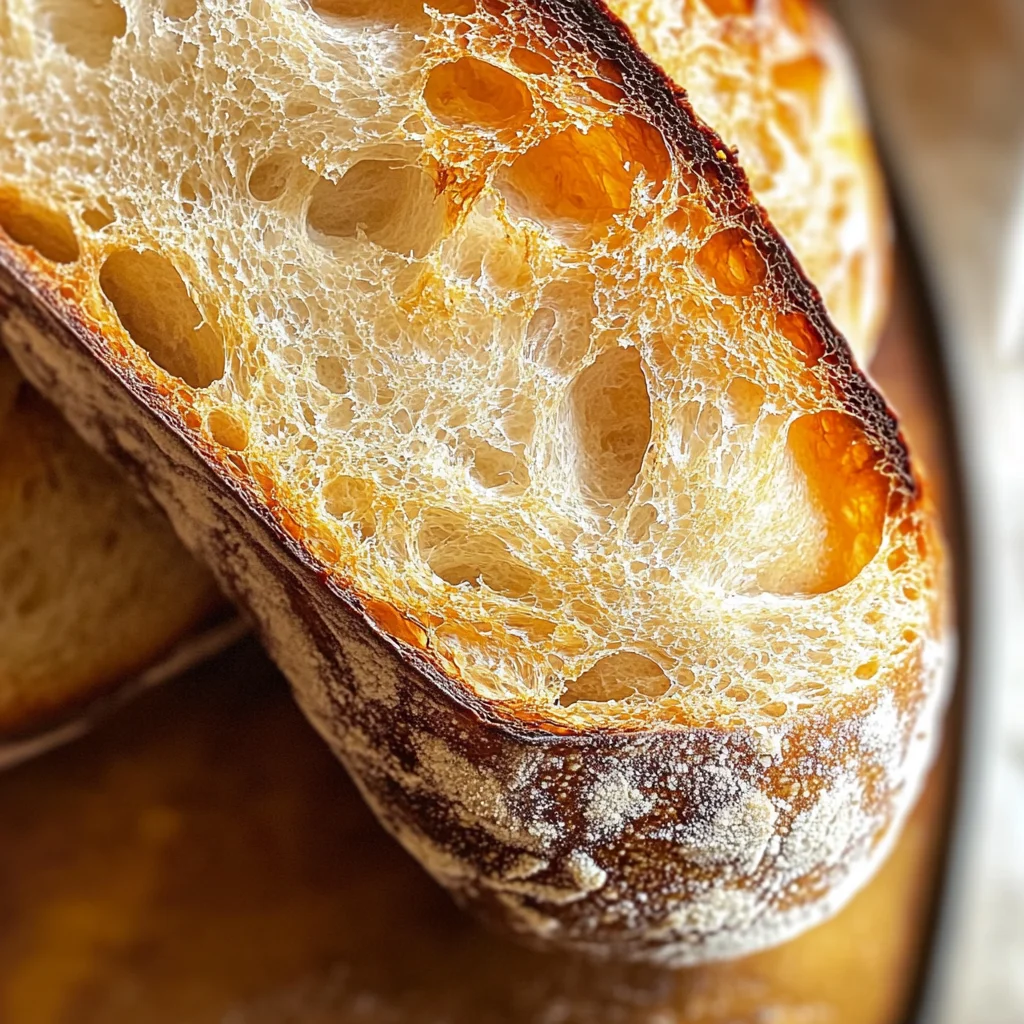
A Rustic German Bread is not just a loaf; it’s a delightful experience. With its chewy texture and rich flavor, this bread is perfect for any occasion. Whether you’re enjoying it with hearty soups, slathering it with butter, or pairing it with sweet jams, this homemade bread stands out as a comforting staple in your kitchen. Its simple ingredients and straightforward process make it accessible for bakers of all levels.
Jump to:
- Why You’ll Love This Recipe
- Tools and Preparation
- Essential Tools and Equipment
- Importance of Each Tool
- Ingredients
- For the Dough
- How to Make Rustic German Bread
- Step 1: Prepare the Yeast Mixture
- Step 2: Combine Ingredients
- Step 3: Knead the Dough
- Step 4: Develop Gluten
- Step 5: Shape the Dough
- Step 6: Bake the Bread
- Step 7: Cool Down
- How to Serve Rustic German Bread
- With Soups
- As Sandwiches
- For Spreads
- With Cheese
- How to Perfect Rustic German Bread
- Best Side Dishes for Rustic German Bread
- Common Mistakes to Avoid
- Storage & Reheating Instructions
- Refrigerator Storage
- Freezing Rustic German Bread
- Reheating Rustic German Bread
- Frequently Asked Questions
- What makes Rustic German Bread different from other breads?
- How can I customize my Rustic German Bread?
- Can I use a bread machine for Rustic German Bread?
- How do I know when my Rustic German Bread is done baking?
- Final Thoughts
- 📖 Recipe Card
Why You’ll Love This Recipe
- Easy to Make: With just a few simple steps, you can create delicious bread at home.
- Rich Flavor: The combination of flour and yeast results in a deep, satisfying taste that pairs well with many dishes.
- Versatile Uses: Enjoy it fresh as a side or toast it for breakfast; this bread fits any meal.
- Customizable: Feel free to add herbs or seeds to tailor the flavor to your liking.
- Perfect Texture: The rustic crust contrasts beautifully with the soft inside, making each bite enjoyable.
Tools and Preparation
Before you start baking your Rustic German Bread, gather the essential tools needed for success. Having the right equipment will make the process smoother and more enjoyable.
Essential Tools and Equipment
- Mixing bowl
- Measuring cups
- Measuring spoons
- Baking tray
- Parchment paper
- Oven
Importance of Each Tool
- Mixing bowl: A sturdy mixing bowl allows you to combine ingredients easily and gives enough space for the dough to rise properly.
- Baking tray: A good-quality baking tray helps ensure even heat distribution while baking, leading to a better crust.
- Parchment paper: Using parchment paper prevents sticking and makes cleanup effortless after baking.
Ingredients
A homemade German bread with a rustic, chewy texture and rich flavor. Perfect for pairing with soups, stews, or enjoying with butter and jam.
For the Dough
- 350 ml water (room temperature)
- 1 tablespoon sugar
- 8 grams dry yeast
- 25 ml sunflower oil
- 500 grams flour (plus extra for dusting)
How to Make Rustic German Bread
Step 1: Prepare the Yeast Mixture
- In a large bowl, pour 350 ml of water.
- Add 1 tablespoon of sugar and 8 grams of dry yeast.
- Stir until dissolved, cover it up, and let sit for 5 minutes until frothy.
Step 2: Combine Ingredients
- Add 25 ml of sunflower oil to the yeast mixture.
- Gradually sift in 500 grams of flour while stirring to combine.
Step 3: Knead the Dough
- Mix until a sticky dough forms.
- Cover and let rise in a warm area for 1 hour or until doubled in size.
Step 4: Develop Gluten
- Stir the dough gently to release air.
- Cover again and let rest for another 30 minutes to develop gluten.
Step 5: Shape the Dough
- Lightly flour a surface.
- Roll dough into a rectangle shape.
- Fold it over and let rest for another 10 minutes before shaping into a loaf, boule, or rolls.
Step 6: Bake the Bread
- Place dough on a lined baking tray.
- Make decorative slashes on top with a knife.
- Preheat oven to 230°C (446°F) and bake for 30-40 minutes until golden brown.
Step 7: Cool Down
- Remove from oven and cool on a wire rack.
- Enjoy warm or at room temperature!
How to Serve Rustic German Bread
Rustic German Bread is incredibly versatile and can be enjoyed in various ways. Whether you’re serving it alongside a warm soup or using it as a base for delicious toppings, this bread will enhance any meal.
With Soups
- Hearty Vegetable Soup: Pair your rustic loaf with a bowl of chunky vegetable soup for a comforting meal.
- Creamy Tomato Bisque: The chewy texture of the bread complements the smoothness of tomato bisque perfectly.
As Sandwiches
- Classic Ham and Cheese: Use slices of rustic German bread to create a satisfying ham and cheese sandwich that’s perfect for lunch.
- Veggie Delight: Layer fresh vegetables and spreads on the bread for a tasty vegetarian option.
For Spreads
- Butter and Jam: Spread some butter and your favorite jam on warm slices for a delightful breakfast treat.
- Hummus or Pesto: Serve with hummus or pesto for a flavorful appetizer at gatherings.
With Cheese
- Cheese Platter: Include slices of this bread on a cheese board with assorted cheeses for an elegant touch.
- Fondue Night: Use the rustic loaf to dip into cheesy fondue, adding texture to each bite.
How to Perfect Rustic German Bread
Achieving the perfect rustic German bread involves attention to detail. Here are some tips to ensure your bread turns out great every time.
- Use Fresh Yeast: Ensure your dry yeast is within its expiration date for optimal rising.
- Knead Properly: Knead the dough until it’s smooth; this helps develop gluten which gives the bread its chewy texture.
- Control Temperature: Let the dough rise in a warm environment, but avoid excessive heat, which can kill the yeast.
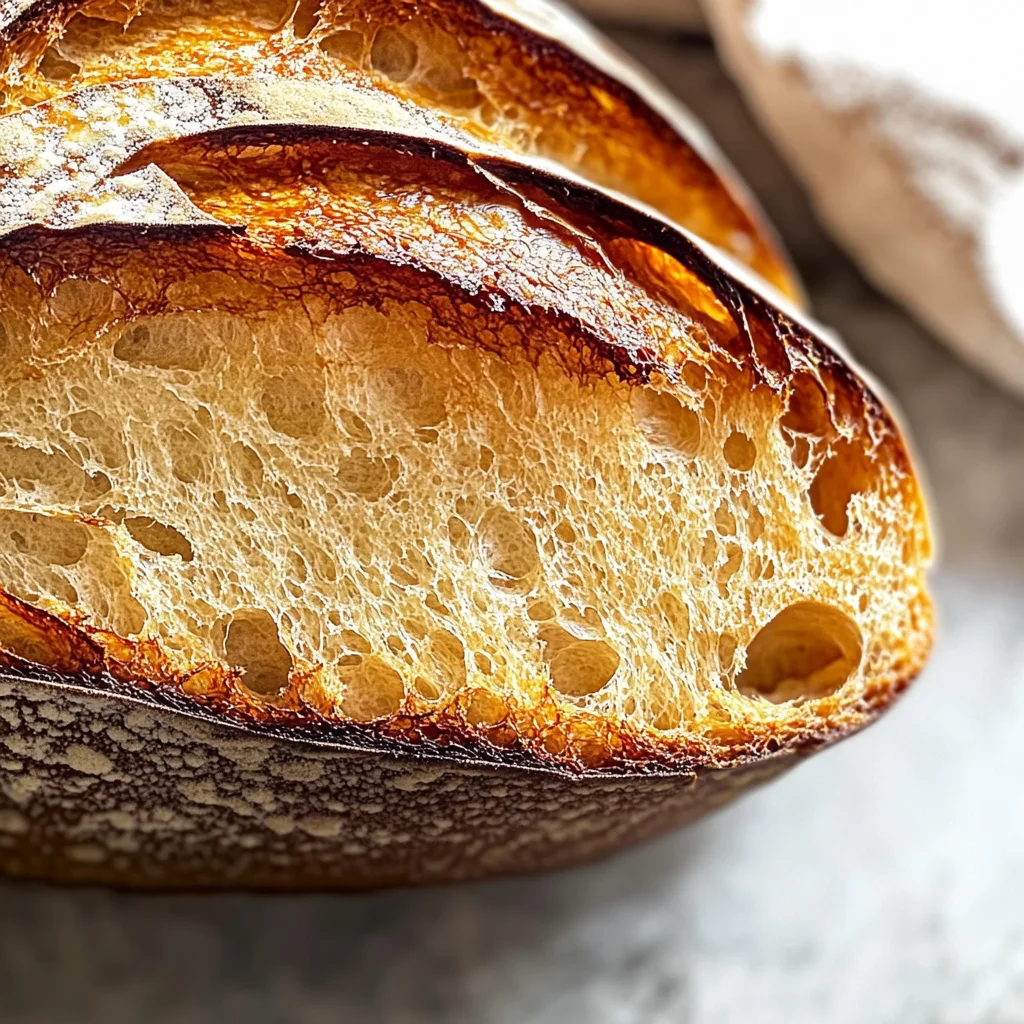
- Steam in Oven: Create steam in the oven during baking for a crustier exterior by placing water in a pan below the loaf.
- Let it Cool: Allow the bread to cool completely before slicing; this helps set the structure and flavors.
Best Side Dishes for Rustic German Bread
Rustic German Bread pairs wonderfully with various side dishes that enhance its flavor. Here are some excellent options you can try:
- German Potato Salad: A tangy potato salad that complements the rich flavors of the bread.
- Bratwurst: Juicy bratwurst sausages served hot make an ideal pairing for hearty sandwiches.
- Sauerkraut: The tanginess of sauerkraut balances well with the dense texture of rustic bread.
- Pickles: Crispy pickles add crunch and acidity, making them perfect accompaniments.
- Roasted Vegetables: Serve warm roasted seasonal vegetables for a nutritious side dish.
- Onion Soup: This rich and savory soup pairs beautifully with rustic German bread, perfect for dipping.
Common Mistakes to Avoid
When making Rustic German Bread, it’s easy to run into common pitfalls. Here are some mistakes to steer clear of.
- Overworking the dough: Kneading the dough too much can make the bread tough. Mix until just combined for a soft texture.
- Ignoring the yeast: Ensure your yeast is active before using it. If it doesn’t froth after five minutes, start over with fresh yeast.
- Not measuring ingredients accurately: Use a kitchen scale for precise measurements. This ensures the perfect dough consistency and flavor.
- Skipping the resting time: Allowing the dough to rise is crucial for texture. Be patient and let it double in size before shaping.
- Baking at the wrong temperature: An oven that’s too cool will result in dense bread. Preheat your oven properly to achieve that golden crust.
Storage & Reheating Instructions
Refrigerator Storage
- Store in an airtight container for up to 3 days.
- Wrap the bread tightly in plastic wrap to keep it fresh longer.
Freezing Rustic German Bread
- Slice the bread before freezing for easy use later.
- Place slices in a freezer-safe bag and store for up to 3 months.
Reheating Rustic German Bread
- Oven: Preheat to 180°C (350°F) and heat for about 10 minutes for a crispy crust.
- Microwave: Heat on medium power for 20-30 seconds but be cautious as it may become chewy.
- Stovetop: Warm slices in a pan over low heat, flipping occasionally until heated through.
Frequently Asked Questions
What makes Rustic German Bread different from other breads?
Rustic German Bread is known for its chewy texture and rich flavor, achieved through its simple ingredients and traditional methods.
How can I customize my Rustic German Bread?
You can add seeds or herbs like rosemary or thyme to enhance flavors. Experiment with different flours like whole wheat or rye for unique tastes.
Can I use a bread machine for Rustic German Bread?
Yes, you can use a bread machine! Just follow the instructions for adding ingredients according to your machine’s manual.
How do I know when my Rustic German Bread is done baking?
The bread should be golden brown on top and sound hollow when tapped on the bottom. An internal temperature of 90°C (190°F) indicates it’s fully baked.
Final Thoughts
Rustic German Bread is a delightful recipe that combines simplicity with incredible flavor. Its versatility makes it perfect as a side dish or standalone snack. You can easily customize this bread by adding various herbs or seeds, making it uniquely yours. Don’t hesitate; try this recipe today!
Did You Enjoy Making This Recipe? Please rate this recipe with ⭐⭐⭐⭐⭐ or leave a comment.
📖 Recipe Card
Print
Rustic German Bread
- Total Time: 50 minutes
- Yield: Serves approximately 10 slices 1x
Description
Experience the warmth and comfort of Rustic German Bread, a delightful homemade loaf that transforms any meal into a special occasion. This bread boasts a chewy texture and rich flavor, making it an ideal companion for hearty soups, savory spreads, or simply enjoyed with butter and jam. Crafted from simple ingredients, this recipe is accessible for bakers of all skill levels. With just a few straightforward steps, you can create a flavorful artisanal loaf that fills your kitchen with irresistible aromas. Customize it with your favorite herbs or seeds for an added twist. Whether served fresh or toasted, this Rustic German Bread is sure to become a beloved staple in your home.
Ingredients
- 350 ml room temperature water
- 1 tablespoon sugar
- 8 grams dry yeast
- 25 ml sunflower oil
- 500 grams flour (plus extra for dusting)
Instructions
- In a mixing bowl, dissolve sugar and yeast in water. Let sit for 5 minutes until frothy.
- Stir in sunflower oil and gradually sift in flour until combined.
- Knead the dough until sticky, cover it, and let rise in a warm area for 1 hour.
- Release air from the dough gently, cover again, and rest for another 30 minutes.
- Shape the dough on a floured surface into your desired form and let rest for 10 minutes.
- Preheat your oven to 230°C (446°F). Place shaped dough on a lined baking tray and make decorative slashes on top.
- Bake for 30-40 minutes until golden brown; cool on a wire rack before slicing.
- Prep Time: 15 minutes
- Cook Time: 35 minutes
- Category: Bread
- Method: Baking
- Cuisine: German
Nutrition
- Serving Size: 1 slice (50g)
- Calories: 130
- Sugar: 0g
- Sodium: 0mg
- Fat: 2g
- Saturated Fat: 0g
- Unsaturated Fat: 2g
- Trans Fat: 0g
- Carbohydrates: 26g
- Fiber: 1g
- Protein: 4g
- Cholesterol: 0mg