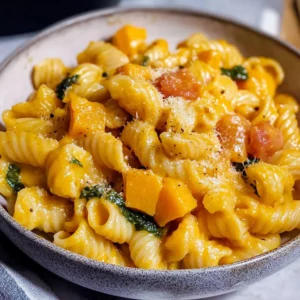
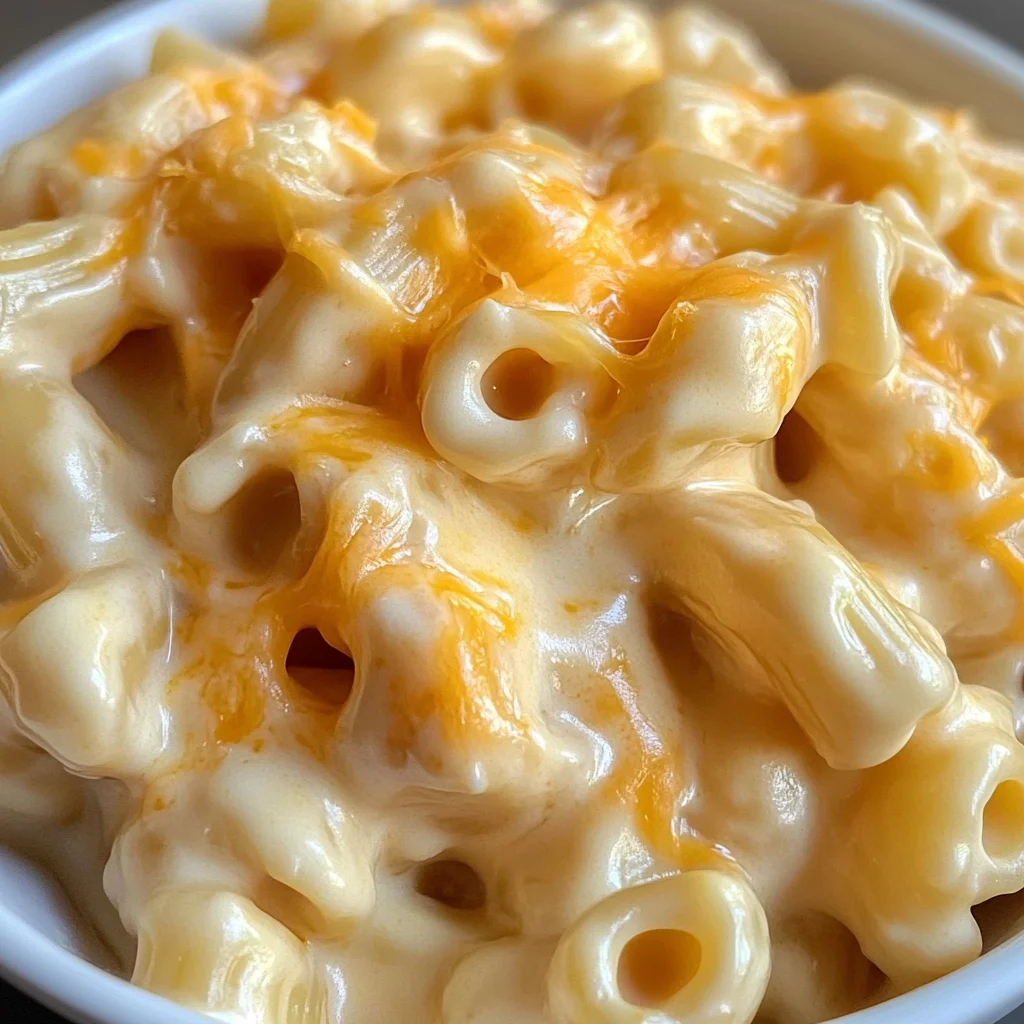
High Protein Mac and Cheese is a delicious twist on a classic comfort food that packs a protein punch! This creamy, gluten-free dish uses chickpea pasta and a rich cheese sauce made with Greek yogurt, making it perfect for dinner parties, meal prep, or a cozy weeknight meal. With 25g of protein per serving, it’s not just tasty but also nutritious!
Jump to:
- Why You’ll Love This Recipe
- Tools and Preparation
- Essential Tools and Equipment
- Importance of Each Tool
- Ingredients
- For the Sauce
- For the Pasta
- How to Make High Protein Mac and Cheese
- Step 1: Cook the Pasta
- Step 2: Prepare the Cheese Sauce
- Step 3: Combine Pasta and Sauce
- Step 4: Serve
- How to Serve High Protein Mac and Cheese
- Classic Comfort
- Flavorful Additions
- Creative Twists
- How to Perfect High Protein Mac and Cheese
- Best Side Dishes for High Protein Mac and Cheese
- Common Mistakes to Avoid
- Storage & Reheating Instructions
- Refrigerator Storage
- Freezing High Protein Mac and Cheese
- Reheating High Protein Mac and Cheese
- Frequently Asked Questions
- Can I use regular pasta instead of high-protein pasta?
- How can I make this recipe dairy-free?
- What toppings go well with High Protein Mac and Cheese?
- How do I store leftovers of High Protein Mac and Cheese?
- Final Thoughts
- 📖 Recipe Card
Why You’ll Love This Recipe
- High in Protein: Each serving contains 25g of protein, making it an excellent choice for muscle recovery and satiety.
- Gluten-Free Option: Using chickpea pasta ensures that everyone can enjoy this dish without worrying about gluten.
- Quick and Easy: With just 50 minutes from start to finish, this recipe is perfect for busy weeknights.
- Rich and Creamy Flavor: The combination of cheddar cheese and Greek yogurt creates a velvety sauce that’s irresistibly tasty.
- Versatile Dish: Enjoy it as a main course or side dish; it pairs well with salads or grilled vegetables.
Tools and Preparation
Before diving into the cooking process, gather your tools to make your experience smoother. Having everything on hand will keep things organized and efficient.
Essential Tools and Equipment
- Medium saucepan
- Large pot for boiling pasta
- Whisk
- Measuring cups
- Cheese grater
Importance of Each Tool
- Medium saucepan: Ideal for making the cheese sauce without spilling or burning.
- Whisk: Helps achieve a smooth consistency in the cheese sauce by preventing lumps.
- Large pot for boiling pasta: Ensures even cooking of the high-protein pasta, giving you perfect al dente results.
Ingredients
Ingredients:
For the Sauce
- 2 tbsp butter
- 1/2 cup cream or milk of choice
- 2 cups shredded cheddar cheese
- 1/2 cup plain Greek yogurt
- Salt and pepper (to taste)
For the Pasta
- 8 oz package high-protein pasta shells or elbows (e.g., chickpea or lentil-based pasta)
How to Make High Protein Mac and Cheese
Step 1: Cook the Pasta
- In a large pot, bring salted water to a boil.
- Add the high-protein pasta shells or elbows.
- Cook according to package instructions until al dente.
- Drain the pasta and set aside.
Step 2: Prepare the Cheese Sauce
- In a medium saucepan over medium heat, melt the butter.
- Add cream or milk and whisk until combined.
- Gradually stir in shredded cheddar cheese until melted.
- Remove from heat and mix in plain Greek yogurt for creaminess.
- Season with salt and pepper to taste.
Step 3: Combine Pasta and Sauce
- Add the drained pasta to the cheese sauce mixture.
- Stir gently until all pasta is coated evenly with the sauce.
Step 4: Serve
- Serve hot as a main course or side dish.
- Enjoy your High Protein Mac and Cheese with additional toppings like herbs or extra cheese if desired!
How to Serve High Protein Mac and Cheese
High protein mac and cheese is a versatile dish that can be enjoyed in various ways. Whether you’re serving it as a main course or a side, these suggestions will elevate your meal experience.
Classic Comfort
- Serve with garlic bread – The crispy, buttery garlic bread pairs perfectly with the creamy mac and cheese.
- Top with breadcrumbs – A sprinkle of toasted breadcrumbs on top adds crunch and texture.
Flavorful Additions
- Add sautéed vegetables – Toss in some spinach, broccoli, or bell peppers for added nutrition and color.
- Mix in cooked protein – Enhance the dish by adding grilled chicken, shrimp, or turkey for an extra protein boost.
Creative Twists
- Garnish with herbs – Fresh herbs like parsley or chives brighten the flavors and add freshness.
- Serve in individual portions – Presenting the mac and cheese in ramekins makes for an appealing individual serving.

How to Perfect High Protein Mac and Cheese
Achieving the perfect high protein mac and cheese requires attention to detail. Here are some tips to ensure your dish is creamy and delicious.
- Use high-quality cheese – Opt for freshly shredded cheese for better melting and flavor.
- Cook pasta al dente – This prevents the pasta from becoming mushy when mixed with the sauce.
- Incorporate Greek yogurt slowly – Gradually mix in Greek yogurt to maintain its creamy texture without curdling.
- Season generously – Don’t forget to taste as you go; salt and pepper can make a big difference in flavor.
Best Side Dishes for High Protein Mac and Cheese
Pairing your high protein mac and cheese with the right sides can create a well-rounded meal. Here are some great options to consider.
- Steamed Broccoli – Bright green broccoli provides a healthy crunch and balances out the richness of the mac and cheese.
- Caesar Salad – A crisp Caesar salad adds freshness while complementing the creamy pasta.
- Roasted Brussels Sprouts – The caramelized flavor of roasted Brussels sprouts adds depth to your meal.
- Garlic Green Beans – Sautéed green beans with garlic offer a tasty, vibrant side that enhances your plate.
- Coleslaw – A tangy coleslaw can cut through the richness of mac and cheese, providing a refreshing contrast.
- Cornbread Muffins – Sweet cornbread muffins make a delightful addition that pairs well with cheesy dishes.
Common Mistakes to Avoid
When making high protein mac and cheese, it’s easy to run into some common pitfalls. Here are mistakes to watch for:
- Overcooking the Pasta: If you cook the pasta too long, it can become mushy. Follow package instructions for al dente pasta.
- Using Low-Quality Cheese: Cheap cheeses may not melt well, affecting the sauce’s texture. Opt for a good quality cheddar for the best results.
- Skipping Seasoning: Forgetting to season can lead to bland mac and cheese. Always taste and adjust with salt and pepper.
- Not Mixing Properly: Failing to thoroughly combine the cheese sauce with the pasta can leave dry spots. Make sure everything is well mixed for creamy bites.
- Ignoring Storage Guidelines: Storing improperly can affect flavor and texture. Follow storage instructions closely to maintain freshness.
Storage & Reheating Instructions
Refrigerator Storage
- Store in an airtight container.
- It lasts up to 3-5 days in the fridge.
Freezing High Protein Mac and Cheese
- Use freezer-safe containers or bags.
- Can be frozen for up to 2 months.
Reheating High Protein Mac and Cheese
- Oven: Preheat to 350°F (175°C). Transfer to a baking dish, cover with foil, and bake for about 20 minutes until heated through.
- Microwave: Place in a microwave-safe bowl, cover loosely, and heat in 1-minute intervals until warm.
- Stovetop: Add a splash of milk or cream in a pan over medium heat. Stir continuously until heated.
Frequently Asked Questions
Here are some common questions about high protein mac and cheese:
Can I use regular pasta instead of high-protein pasta?
While you can use regular pasta, you will miss out on the extra protein benefits. Chickpea or lentil-based pastas enhance this dish’s nutritional value.
How can I make this recipe dairy-free?
Substitute the cheddar cheese with a dairy-free cheese alternative and use almond milk instead of cream or regular milk.
What toppings go well with High Protein Mac and Cheese?
You can add breadcrumbs for crunch, sautéed vegetables for nutrition, or even crispy bacon bits for extra flavor.
How do I store leftovers of High Protein Mac and Cheese?
Keep them in an airtight container in the refrigerator for up to five days or freeze them in proper containers for longer storage.
Final Thoughts
High protein mac and cheese is not just delicious; it’s also versatile! Feel free to customize it with your favorite proteins or veggies. This dish makes a great meal prep option or a comforting weeknight dinner that everyone will love. Give it a try!
Did You Enjoy Making This Recipe? Please rate this recipe with ⭐⭐⭐⭐⭐ or leave a comment.
📖 Recipe Card
Print
High Protein Mac and Cheese
- Total Time: 50 minutes
- Yield: Serves 4
Description
Indulge in a healthier twist on a classic favorite with this High Protein Mac and Cheese. This creamy dish features gluten-free chickpea pasta and a luscious cheese sauce made with rich cheddar and Greek yogurt, delivering an impressive 25g of protein per serving. Perfect for busy weeknights or meal prep, this wholesome mac and cheese combines comforting flavors with nutritional benefits. Elevate your dinner experience with delicious toppings or pair it with vibrant sides for a complete meal that everyone will love!
Ingredients
- 2 tbsp butter
- 1/2 cup cream or milk of choice
- 2 cups shredded cheddar cheese
- 1/2 cup plain Greek yogurt
- 8 oz package high-protein pasta (chickpea or lentil-based)
- Salt and pepper to taste
Instructions
- Bring salted water to a boil in a large pot. Add the high-protein pasta and cook until al dente according to package instructions. Drain and set aside.
- In a medium saucepan over medium heat, melt the butter. Stir in cream or milk until combined, then add shredded cheddar cheese gradually, stirring until melted.
- Remove from heat and mix in Greek yogurt until creamy. Season with salt and pepper to taste.
- Combine the drained pasta with the cheese sauce, stirring gently until evenly coated.
- Serve hot as a main dish or side, garnished with herbs or extra cheese if desired.
- Prep Time: 10 minutes
- Cook Time: 40 minutes
- Category: Main
- Method: Cooking
- Cuisine: American
Nutrition
- Serving Size: 1 cup (240g)
- Calories: 390
- Sugar: 3g
- Sodium: 600mg
- Fat: 18g
- Saturated Fat: 10g
- Unsaturated Fat: 7g
- Trans Fat: 0g
- Carbohydrates: 40g
- Fiber: 6g
- Protein: 25g
- Cholesterol: 55mg