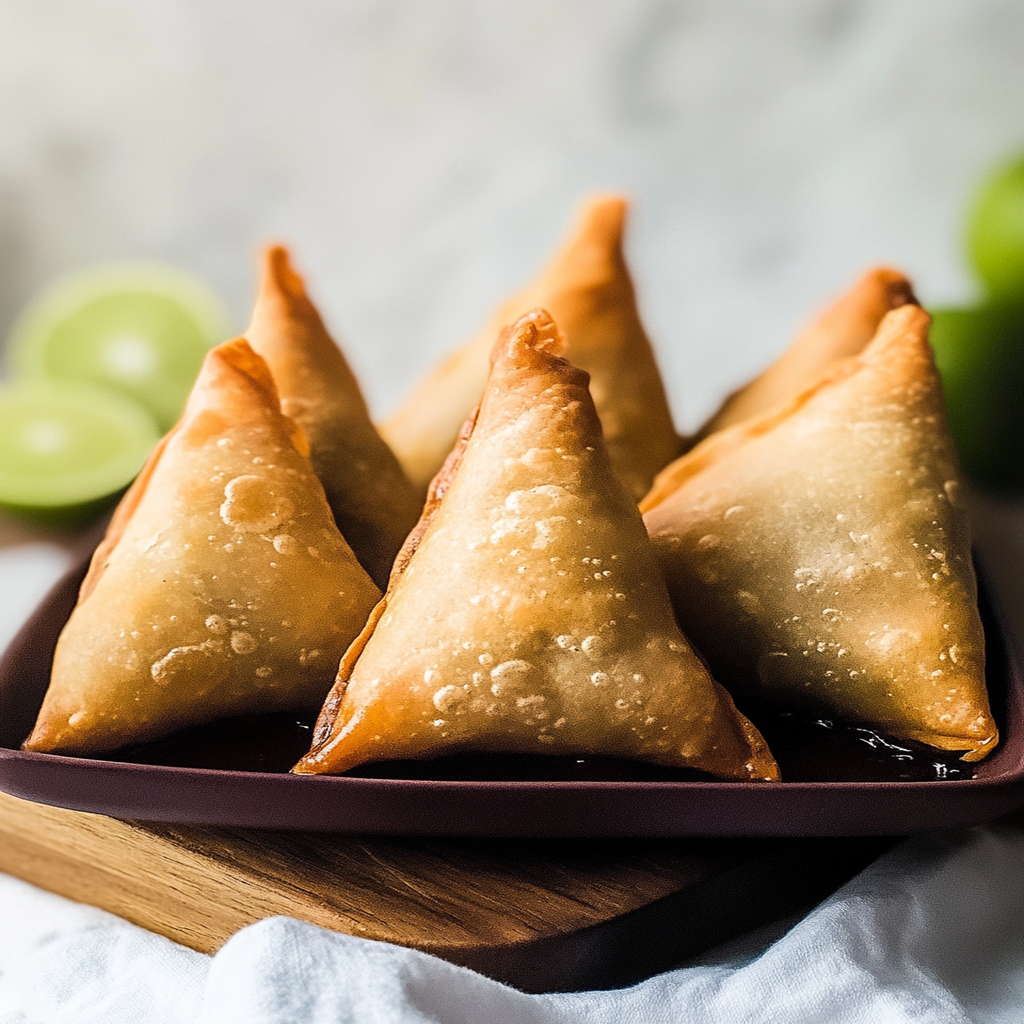
Homemade samosas are a delightful treat that many crave. These crispy pastries filled with spiced potatoes and peas are not only satisfying but also fun to make. With this simple homemade samosas recipe, you can create a batch of flavorful snacks perfect for any occasion. Whether you serve them at parties or enjoy them as an afternoon snack, they are sure to impress your family and friends. The best part? Once you master the art of making homemade samosas, you can experiment with various fillings like meat, lentils, or even cheese. This recipe provides step-by-step instructions to help you create the perfect flaky crust and delicious filling. Get ready to enjoy the aroma of spices wafting through your kitchen as you prepare these delightful bites from scratch.
Jump to:
- Why You’ll Love This Homemade Samosas
- Ingredients for Homemade Samosas
- How to Make Homemade Samosas
- Tips and Tricks
- How to Serve Homemade Samosas
- Make Ahead and Storage
- Suggestions for Homemade Samosas
- Use Fresh Ingredients
- Master the Dough
- Choose the Right Filling
- Seal Properly
- FAQs
- What are traditional spices used in homemade samosas?
- How do I store leftover homemade samosas?
- Can I make baked homemade samosas instead of fried ones?
- What dipping sauces pair well with homemade samosas?
- Conclusion for Homemade Samosas
- 📖 Recipe Card
Why You’ll Love This Homemade Samosas
- Quick and Easy: Minimal prep time and straightforward steps make this recipe stress-free, even for novice cooks
- Flavorful and Versatile: Enjoy outstanding flavor with ingredients you can easily customize by adding your favorites or adjusting spices
- Perfect for Any Occasion: Ideal for casual gatherings, holiday celebrations, or weeknight dinners
Ingredients for Homemade Samosas
Here’s what you’ll need to make this delicious dish:
- All-Purpose Flour: Essential for creating the pastry dough; use a high-quality flour for better results
- Potatoes: Choose starchy potatoes like Russets; they mash well and provide a creamy filling
- Green Peas: Fresh or frozen peas add sweetness and texture; they complement the potatoes perfectly
- Cumin Seeds: These spices add warmth; toast them lightly before adding for enhanced flavor
- Coriander Powder: This adds earthiness to the filling; opt for ground coriander for convenience
- Turmeric Powder: A pinch gives color and a slight earthy taste; it’s a staple in Indian cooking
- Chili Powder: Adjust according to your spice preference; it adds heat and depth of flavor
- Salt: Essential for enhancing all flavors; taste as you go to achieve the perfect balance
- Oil for Frying: Use vegetable oil or ghee; both work well for achieving crispy results
The full ingredients list, including measurements, is provided in the recipe card directly below.
How to Make Homemade Samosas
Follow these simple steps to prepare this delicious dish:
Step 1: Prepare the Dough
In a large bowl, combine all-purpose flour with a pinch of salt. Gradually add water until it forms a smooth dough. Knead lightly for about five minutes then cover with a damp cloth and let it rest while you prepare the filling.
Step 2: Cook the Filling
Peel and boil the potatoes until soft, roughly ten to fifteen minutes. Drain them and mash them in a bowl. In a pan over medium heat, add oil and cumin seeds until they crackle. Then add mashed potatoes, green peas, coriander powder, turmeric powder, chili powder, and salt. Mix thoroughly and cook for another five minutes before removing from heat.
Step 3: Shape the Samosas
Divide the rested dough into equal portions. Roll each portion into small circles about six inches in diameter. Cut each circle in half to form two semi-circles. Take one semi-circle and form a cone by overlapping the straight edges.
Step 4: Fill the Cones
Seal the edge of the cone using a little water on your fingers. Fill each cone with about one tablespoon of potato-pea filling before sealing the open edge tightly.
Step 5: Fry the Samosas
In deep frying pan or pot, heat oil over medium heat until hot (around 350°F/175°C). Carefully drop in each samosa without overcrowding them. Fry until golden brown on all sides—about four to five minutes. Remove them using a slotted spoon.
Step 6: Serve
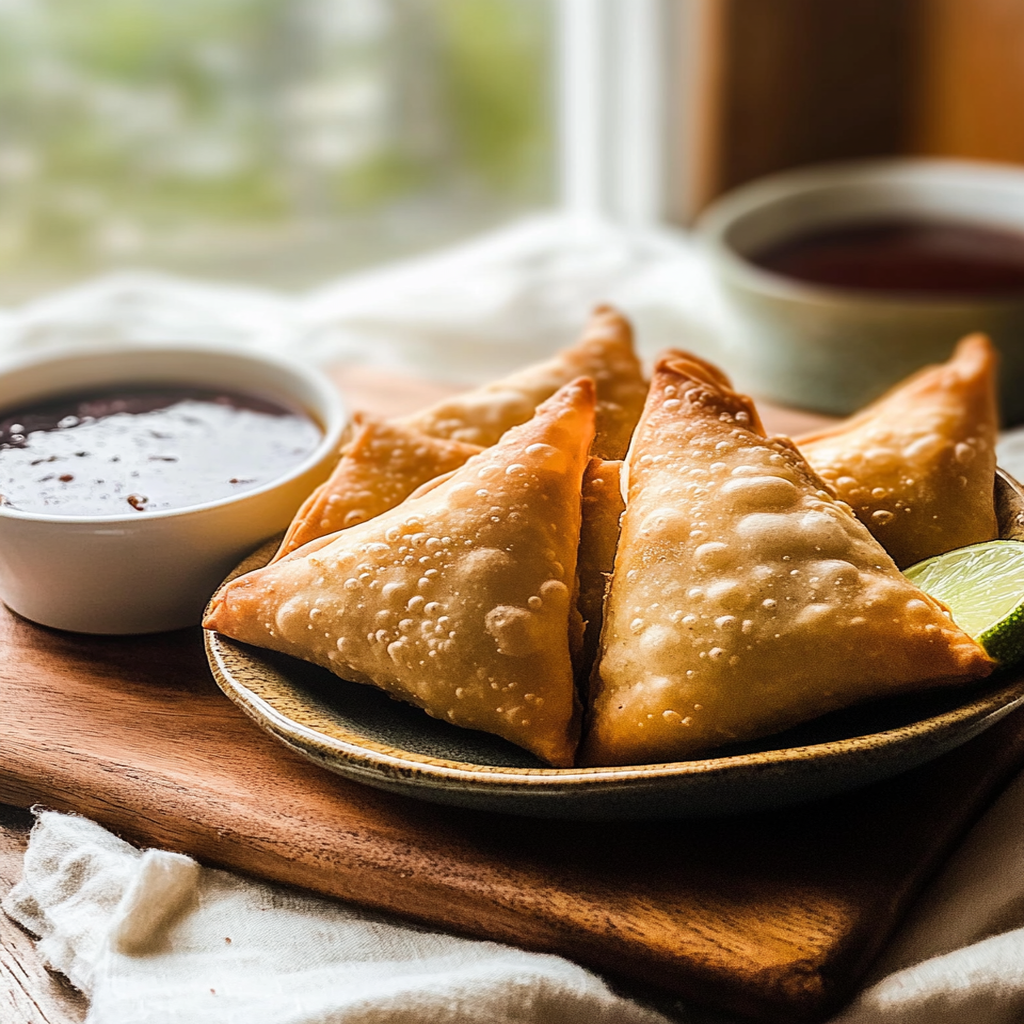
Transfer fried samosas onto paper towels to drain excess oil. Serve hot with mint chutney or tamarind sauce for dipping.

Tips and Tricks
Here are some helpful tips to ensure the best results for your dish:
- Dough Consistency: Ensure your dough is soft but not sticky; adjust flour or water if needed
- Filling Temperature: Allow filling to cool before using it so it doesn’t make dough soggy during assembly
- Frying Temperature: Keep an eye on oil temperature; too hot will burn them quickly while too cool will make them greasy
How to Serve Homemade Samosas
This Homemade Samosas is versatile and pairs wonderfully with:
- Mint Chutney: This refreshing sauce enhances the spicy flavors of the samosas and adds a cooling element.
- Tamarind Sauce: The tangy sweetness complements the savory filling, creating a delightful balance.
- Cucumber Raita: This yogurt-based side provides a creamy contrast that soothes the palate after each bite.
Feel free to pair it with your favorite sides for a personalized meal!
Make Ahead and Storage
- Make Ahead: You can prepare the filling for your Homemade Samosas up to two days in advance. Store it in an airtight container in the refrigerator. If making the dough, wrap it tightly in plastic wrap and refrigerate for up to three days.
- Storing: Leftover samosas can be stored in an airtight container in the refrigerator for up to four days. For longer storage, freeze them by placing them on a baking sheet until solid, then transfer to freezer bags for up to three months.
- Reheating: To maintain their crispiness, reheat samosas in an oven preheated to 375°F (190°C) for about 10-15 minutes. Alternatively, you can pan-fry them over medium heat until heated through, which takes about five minutes per side.
Suggestions for Homemade Samosas
Use Fresh Ingredients
Using fresh ingredients is crucial when making homemade samosas. Stale or old ingredients can significantly affect the flavor and texture of your samosas. Fresh vegetables, spices, and herbs enhance the taste and ensure a delightful crunch in every bite. Always check expiration dates on packaged items, especially flour and spices. Fresh potatoes should be firm, while peas should be vibrant green. If possible, use seasonal ingredients to elevate the overall quality of your dish. Remember, good samosas start with good ingredients!
Master the Dough
Dough plays a vital role in creating perfect homemade samosas. A common mistake is not kneading the dough enough, which can lead to a tough outer layer. Aim for a smooth and pliable dough by kneading it for at least 10 minutes. Additionally, allow the dough to rest for 30 minutes before rolling out. This resting period helps relax the gluten, making it easier to shape your samosas without cracking. Don’t forget to keep the dough covered with a damp cloth while working to prevent it from drying out.
Choose the Right Filling
Selecting the right filling is essential for delicious homemade samosas. Many recipes call for potatoes and peas, but feel free to get creative! Avoid overly watery fillings as they can make your samosas soggy and difficult to seal properly. Prioritize balanced flavors and textures; combining different vegetables or adding spices like cumin or coriander can enhance taste significantly. Always cook your filling beforehand, allowing moisture to evaporate before stuffing it into the dough.
Seal Properly
Proper sealing of your homemade samosas is critical for ensuring they don’t open during frying or baking. A common mistake is using too little water when sealing the edges of the dough. To avoid this issue, wet your fingers slightly before folding and pressing down on the edges to create a tight seal. Make sure there are no air pockets inside, as these can cause them to burst while cooking. Practicing different folding techniques will also help you achieve a professional look.
FAQs
What are traditional spices used in homemade samosas?
When preparing homemade samosas, traditional spices play an essential role in defining their flavor profile. Common spices include cumin seeds, coriander powder, garam masala, and turmeric powder. Cumin adds warmth and earthiness while coriander contributes freshness and floral notes. Garam masala brings depth with its complex blend of spices like cardamom and cinnamon. Adjust these spices according to your personal preference; you may also experiment with chili powder for added heat or fennel seeds for sweetness.
How do I store leftover homemade samosas?
Storing leftover homemade samosas correctly ensures they maintain their delicious taste and texture over time. Allow cooked samosas to cool completely before placing them in an airtight container lined with paper towels to absorb moisture. Store them in the refrigerator if you plan to eat them within a few days; alternatively, freeze them if you intend to keep them longer than that. When reheating frozen samosas, bake them directly from frozen at 375°F until heated through for optimal crispiness.
Can I make baked homemade samosas instead of fried ones?
Absolutely! Making baked homemade samosas is a healthier alternative that still provides great flavor without excess oil from frying. To prepare baked versions, follow your usual recipe but brush each assembled samosa lightly with oil before placing them on a baking sheet lined with parchment paper. Bake at 375°F until golden brown and crisp—usually around 20-25 minutes—flipping halfway through for even cooking. This method allows you to enjoy deliciousness without compromising on health.
What dipping sauces pair well with homemade samosas?
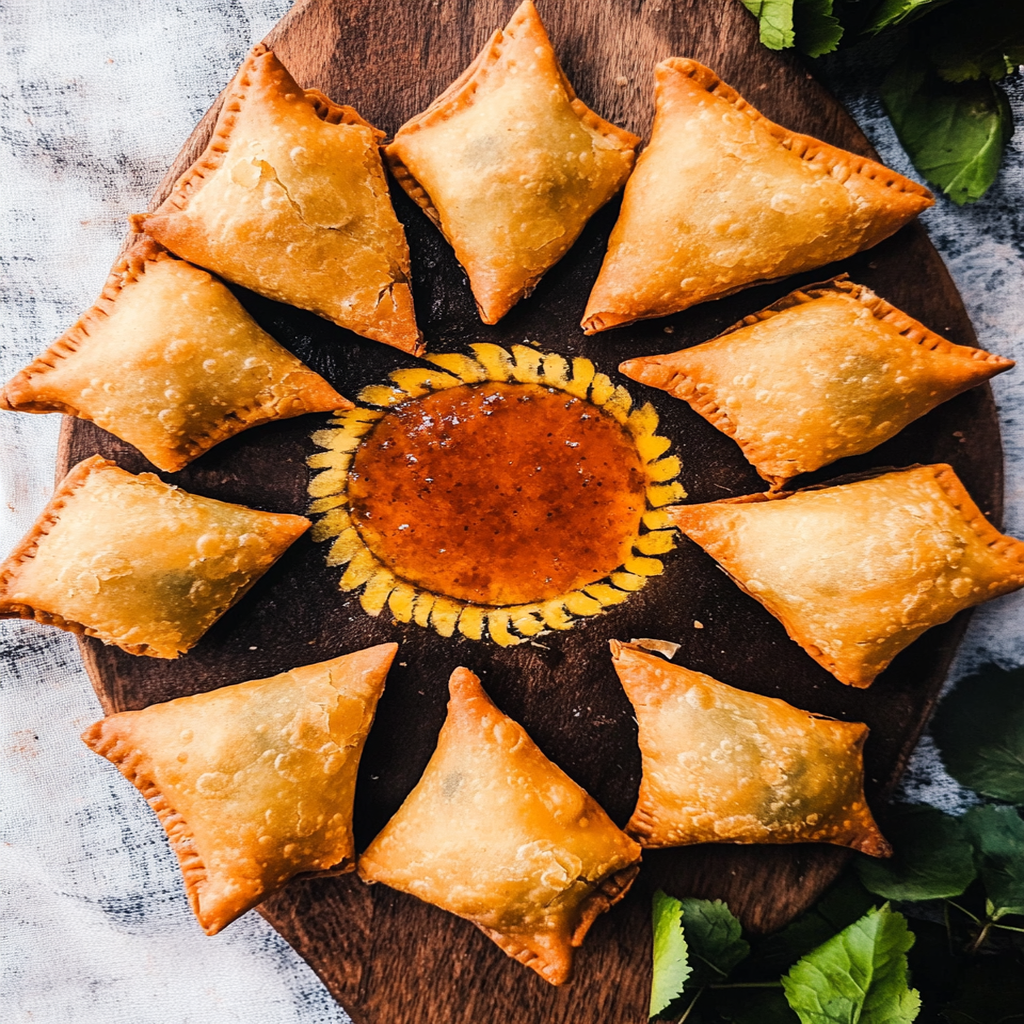
Dipping sauces greatly enhance the experience of enjoying homemade samosas by adding contrasting flavors. Commonly paired sauces include mint chutney made from fresh mint leaves mixed with yogurt or lime juice for tanginess; tamarind chutney offers sweetness with a hint of sourness; and spicy yogurt sauce provides creaminess balanced with heat from green chilies or red peppers. Experimenting with these dips allows you to discover new flavor combinations that complement your perfect batch of samosas!
Conclusion for Homemade Samosas
Making delicious homemade samosas involves careful attention to detail in each step of preparation—from selecting fresh ingredients to mastering dough techniques and choosing flavorful fillings. Avoiding common pitfalls such as improper sealing can lead you to create perfectly crispy pastries that burst with flavor upon biting into them. Whether you opt for frying or baking, remember that proper storage methods can extend their shelf life while maintaining quality. With practice and creativity in pairing dips, you’ll soon impress family and friends with your exceptional culinary skills! Enjoy making these delightful treats!
Did You Enjoy Making This Recipe? Please rate this recipe with ⭐⭐⭐⭐⭐ or leave a comment.
📖 Recipe Card
Print
Homemade Samosas
- Total Time: 50 minutes
- Yield: Approximately 12 servings 1x
Description
Homemade samosas are a beloved Indian snack that combines a crispy pastry shell with a savory filling of spiced potatoes and peas. This easy recipe guides you through the steps to create these delightful treats from scratch, perfect for gatherings or a satisfying afternoon snack. With their flaky outer layer and warm, flavorful interior, homemade samosas are sure to impress your family and friends. Once you master the basic filling, feel free to experiment with other ingredients like lentils or cheese for a unique twist. Get ready to fill your kitchen with tantalizing aromas and enjoy the satisfaction of making your own delicious samosas.
Ingredients
- 2 cups all-purpose flour
- 2 medium potatoes (about 300g)
- 1 cup green peas (fresh or frozen)
- 1 teaspoon cumin seeds
- 1 teaspoon coriander powder
- ½ teaspoon turmeric powder
- ½ teaspoon chili powder
- Salt to taste
- Oil for frying
Instructions
- In a bowl, mix flour and salt; gradually add water until a smooth dough forms. Knead lightly, cover, and let rest.
- Boil potatoes until soft; mash them. In a pan, heat oil and sauté cumin seeds. Add mashed potatoes, peas, spices, and salt; mix well and cook for five minutes.
- Divide dough into portions; roll into circles and cut in half. Shape into cones, fill with potato-pea mixture, seal edges tightly.
- Heat oil in a frying pan over medium heat; fry samosas until golden brown on all sides (about 4-5 minutes). Drain on paper towels before serving.
Notes
– Use fresh ingredients for the best flavor.
– Adjust spice levels according to your preference.
– Experiment with different fillings like lentils or cheese.
- Prep Time: 30 minutes
- Cook Time: 20 minutes
- Category: Snack/Appetizer
- Method: Frying
- Cuisine: Indian
Nutrition
- Serving Size: 1 samosa (50g)
- Calories: 160
- Sugar: 1g
- Sodium: 200mg
- Fat: 8g
- Saturated Fat: 1g
- Unsaturated Fat: 7g
- Trans Fat: 0g
- Carbohydrates: 19g
- Fiber: 2g
- Protein: 3g
- Cholesterol: 0mg